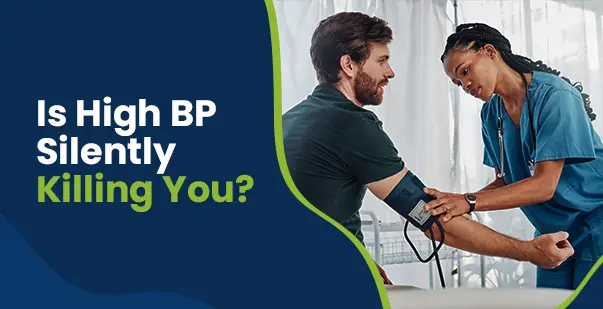
High blood pressure, also known as hypertension, is one of the most common health conditions in the world. According to the World Health Organization (WHO), hypertension contributes to over 7.5 million deaths globally each year.
One of the biggest myths about hypertension is that you’ll “know” when you have it. But it often shows no obvious symptoms and quietly increases the risk for heart attack, stroke, kidney damage, and even vision loss.
What causes this silent strain on your system? It’s not just fast food and family history. High-stress jobs, poor sleep hygiene, hidden sodium in “healthy” foods, or even skipping regular check-ups can be the cause. Read on, as we walk you through the real symptoms and causes of high blood pressure. So, you can spot the signs early and take smart, simple steps toward a healthier future.
Master ACLS Now
Get ACLS certified with confidence
What Is Hypertension?
Hypertension means having consistently high blood pressure. But what is considered high blood pressure? Doctors diagnose it when blood pressure readings are 130/80 mmHg or higher. The first number (systolic) shows pressure when the heart beats. The second number (diastolic) shows pressure when the heart rests between beats.
A normal blood pressure reading is below 120/80 mmHg. A reading between 120/80 mmHg and 129/80 mmHg is considered elevated but not yet hypertension. When the numbers are 130/80 mmHg or higher, it is diagnosed as stage 1 hypertension. If it reaches 140/90 mmHg or more, it is called stage 2.
What Are the Symptoms of High Blood Pressure?
High blood pressure is often called the “silent killer” for a reason. According to the World Health Organization (WHO), an estimated 46% of adults with hypertension don’t even know they have it. But your body might still be giving you subtle warning signs. Below are the top 10 symptoms of high blood pressure and why it’s important not to ignore them:
1. Severe Headaches
High blood pressure can increase pressure in the blood vessels of the brain. This can cause strong, persistent headaches. These headaches are often different from normal headaches because they do not go away with regular painkillers. A 2023 study published in the Journal of Clinical Medicine found that 84.9% of participants reported symptoms. The study also reported that headaches (24.7%) and dizziness (15.7%) were the most common among those with significantly elevated blood pressure.
2. Dizziness
Dizziness may occur when high blood pressure affects blood flow to the brain. It can make a person feel lightheaded, unsteady, or as if the room is spinning. In severe cases, it can lead to fainting and be a major cause of high blood pressure in young adults. Sudden dizziness should not be ignored, as it may indicate a hypertensive crisis or stroke risk.
3. Shortness of Breath
When blood pressure is too high, the heart has to work harder to pump blood. This extra effort can affect the lungs and make breathing difficult. Shortness of breath can happen even during mild activity or at rest. It may be a sign of heart strain or fluid buildup in the lungs.
4. Chest Pain
High blood pressure can strain the heart and cause chest pain. This happens because the heart is working harder to pump blood through narrow or stiff arteries. Chest pain may feel like pressure, tightness, or a burning sensation. It can be a warning sign of heart disease or a heart attack and needs urgent medical attention.
5. Blurred Vision
Blood pressure that is too high can damage the small blood vessels in the eyes. This can lead to blurry vision, double vision, or even vision loss in severe cases. A doctor should check persistent vision problems, as they may indicate damage to the retina (hypertensive retinopathy).
6. Nosebleeds (Epistaxis)
High blood pressure can weaken the blood vessels in the nose, making them more likely to burst. Frequent or unexplained nosebleeds may indicate uncontrolled hypertension. However, nosebleeds alone are not always a sign of high blood pressure and should be considered along with other symptoms.
7. Fatigue
High blood pressure reduces the efficiency of blood circulation, meaning that oxygen and nutrients do not reach organs and tissues properly. This can cause persistent tiredness, weakness, and a lack of energy. People with high blood pressure may feel exhausted even after a full night’s sleep.
8. Irregular Heartbeat
Hypertension can put stress on the heart, leading to an irregular heartbeat (arrhythmia). This may feel like a racing heart, skipped beats, or a fluttering sensation in the chest. If left untreated, it can increase the risk of serious heart conditions.
9. Confusion
High blood pressure can affect brain function, leading to confusion, difficulty concentrating, and memory problems. In severe cases, it can cause sudden mental disorientation or trouble understanding conversations. These high blood pressure symptoms in women and men may signal a hypertensive emergency or risk of stroke.
10. Nausea
High blood pressure can reduce blood flow to the digestive system, leading to nausea or vomiting. This symptom is more common in severe hypertension or during a hypertensive crisis. Persistent nausea with other symptoms should be checked by a doctor immediately.
Read More: Heart Blockage – Explained With Pictures!
What Causes High Blood Pressure?
High blood pressure can be classified into two main types: essential (primary) hypertension and secondary hypertension. These two types have different causes of high blood pressure and risk factors, which are discussed as follows:
Essential (Primary) Hypertension
Essential hypertension, also called primary hypertension, is the most common form of high blood pressure. According to the World Heart Federation, this type is responsible for 90% of hypertension cases. It develops gradually over time and has no single identifiable cause.
Rather, a combination of lifestyle factors, genetic predisposition, and other influences contributes to its development. Below are the main causes associated with essential hypertension:
Unhealthy Diet
Eating too much salt, processed food, or fast food raises blood pressure. Salt makes the body hold extra water, increasing the volume of blood in the arteries. This puts more pressure on the artery walls. Processed and fast foods contain high levels of salt, unhealthy fats, and added sugars. These contribute to weight gain, clogged arteries, and poor heart function.
A diet low in fruits, vegetables, and whole grains is one of the causes of hypertension and increases the risk of high blood pressure.
Lack of Physical Activity
Regular exercise keeps the heart and blood vessels strong. The heart becomes weaker and less effective at pumping blood when people lead inactive lives. When the heart has to work harder, blood pressure rises. Inactivity can also result in impaired circulation and weight gain, eventually becoming one of the major causes of high blood pressure. Lack of exercise raises the risk of heart disease, stroke, and high blood pressure over time. According to a study published in the American Journal of Preventive Cardiology, the global deaths due to cardiovascular diseases (CVDs) caused by low physical activity increased from 371,042 in 1990 to 639,175 in 2019.
Incorporating regular physical activity can significantly lower blood pressure. Beneficial exercises include aerobic activities like brisk walking, swimming, or cycling, as well as strength training exercises done two or more days a week. Even light activities, when done consistently, can contribute to better heart health.
Obesity
Excess weight increases the workload on the heart. More fat tissue requires more oxygen and nutrients, forcing the heart to pump harder. This raises blood pressure. Obesity is also linked to insulin resistance and inflammation, both of which contribute to hypertension. In addition, fat deposits around the abdomen can compress internal organs, further affecting circulation and increasing blood pressure.
If you’re overweight, losing even just 5 pounds (2.3 kilograms) can help lower your blood pressure. In fact, the more weight you lose, the greater the potential drop in your blood pressure. As you shed pounds, you might even be able to reduce or completely stop your blood pressure medication, under your doctor’s guidance.
Smoking and Alcohol
Smoking damages blood vessels by reducing their flexibility and narrowing them. This is one of the main causes of high blood pressure that makes it harder for blood to flow, causing higher pressure in the arteries.
Excessive alcohol intake weakens the heart muscle, causes weight gain, and disrupts the balance of hormones that regulate blood pressure. Over time, heavy drinking can lead to long-term hypertension and heart disease.
Stress
When the body is under stress, it releases hormones like cortisol and adrenaline. These hormones temporarily raise blood pressure by making the heart beat faster and narrowing blood vessels. If stress is constant, the blood pressure remains high for long periods.
Genetics
If close family members have high blood pressure, the risk of developing it is higher. Some people inherit genes that make their arteries more sensitive to salt or stress.
Others may have genetic conditions that affect how their kidneys regulate blood pressure. Although genes play a role, lifestyle choices still have a major impact on managing hypertension.
Aging
As people age, their arteries become less flexible. Thus, blood cannot flow as freely, which raises pressure. Additionally, as we age, the heart becomes weaker and less efficient at pumping blood. Hypertension can also be caused by other medical disorders that older persons may have, such as diabetes or kidney disease. According to the American College of Cardiology, about 70% of adults aged 65% and older have high blood pressure.
Making lifestyle changes and managing medical conditions can help control blood pressure and reduce health risks.
Secondary Hypertension
Secondary hypertension is a less common form of high blood pressure that typically occurs suddenly and may become more severe. It is caused by an underlying health condition or medication that affects the body’s ability to regulate blood pressure. The conditions contributing to secondary hypertension include:
Diabetes
High blood sugar or diabetes causes vessel damage primarily through inflammation and glycation. When blood glucose levels are consistently high, excess sugar molecules attach to proteins in blood vessel walls, forming advanced glycation end products (AGEs). These AGEs cause inflammation, making the vessels stiff and narrowing them.
People with diabetes are also twice as likely to develop high blood pressure, which can lead to heart disease and stroke if left untreated. Having both diabetes and high blood pressure increases the risk of heart disease fourfold compared to those without either condition.
Kidney Disease
The kidneys help control blood pressure by removing excess fluid. When kidney function declines, fluid builds up, raising pressure in the arteries. Studies show that 60% to 90% of individuals with chronic kidney disease have high blood pressure, with prevalence rising in advanced stages. Uncontrolled hypertension can worsen cardiovascular complications and accelerate kidney damage.
Thyroid Disorders
Both an overactive (hyperthyroidism) and an underactive (hypothyroidism) thyroid can affect heart rate and blood vessel function, which can lead to hypertension.
Obstructive Sleep Apnea (OSA)
OSA is a sleeping disorder that causes breathing interruptions during sleep. It can lead to increased blood pressure due to the stress placed on the cardiovascular system.
Medications
Some medications can cause secondary hypertension as a side effect. These may include birth control pills, non-steroidal anti-inflammatory drugs (NSAIDs), and decongestants. If hypertension is linked to a medication, a doctor may adjust the dosage or recommend an alternative treatment.
Read More: Troponin Levels – The Heart Attack Blood Test
Take Control of Your Blood Pressure With The Right Knowledge!
Is hypertension something to worry about? Yes, because it can lead to serious health issues if left untreated. The good news is that high blood pressure can be managed with the right steps. Once you know what causes hypertension, you can easily spot its early signs and reduce the risk of complications. Simple lifestyle adjustments, such as eating a balanced diet, staying physically active, and managing stress, can significantly improve overall health and prevent high blood pressure from worsening.
Regular check-ups are also important to keep track of your blood pressure. If you have risk factors or symptoms, consult a doctor and take action to protect your health. Moreover, consider an ACLS course to gain skills for managing critical situations related to hypertension.