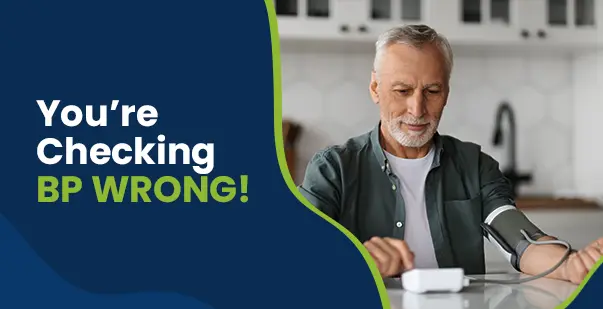
According to the World Health Organization (WHO), nearly one in three adults has high blood pressure or hypertension, and many don’t even know it. This “silent threat” often shows no symptoms, making regular monitoring crucial. Yet, many people still believe they need to visit a clinic or see a doctor just to check their numbers.
The truth is that you can take control of your heart health right from your own home. However, many people aren’t sure how to take their blood pressure at home correctly. They worry about using the cuff wrong, reading the numbers inaccurately, or misinterpreting the results altogether.
With a little guidance, measuring your blood pressure at home can be simple, accurate, and even empowering. So, keep reading to learn everything you need to know to get accurate readings, avoid common mistakes, and track your health with confidence.
What Are the Normal Blood Pressure Readings?
According to the WHO, in 2022, high blood pressure was a primary or contributing cause of over 685,000 deaths in the U.S. Moreover, only 1 in 4 adults with high blood pressure has it under control. That means millions are walking around with numbers that could be quietly putting their heart, brains, and kidneys at risk.
One of the simplest ways to take charge of your health is by understanding what your blood pressure readings actually mean. Here are the normal blood pressure levels that will help you to know how to read blood pressure:
| Blood Pressure (BP) Category | Systolic (Upper Number) mm Hg | Diastolic (Lower Number) mm Hg | Interpretation |
| Normal BP | Less than 120 | Less than 80 | Blood pressure is within a healthy range. No action is needed. |
| Elevated BP | 120 – 129 | Less than 80 | Blood pressure is higher than normal but not yet high blood pressure. Lifestyle changes may help prevent hypertension. |
| High BP (Hypertension) Stage 1 | 130 – 139 | 80 – 89 | This is the first stage of high blood pressure. A doctor may recommend lifestyle changes and possibly medication. |
| High BP (Hypertension) Stage 2 | 140 or higher | 90 or higher | This is a more severe stage of hypertension. A doctor will likely prescribe medication and recommend strict lifestyle changes. |
| Hypertensive Crisis | Higher than 180 | Higher than 120 | This is a medical emergency. Contact a doctor or visit a hospital immediately. |
Read More: Understanding the Significance of Oxygen Therapy in ACLS
Step-by-Step: How to Measure Your Blood Pressure at Home
Measuring your blood pressure at home is a simple yet powerful way to monitor your health. With a significant death toll associated with this condition, you must know how to use a blood pressure monitor correctly, as regular monitoring can help you detect changes early. Here’s a step-by-step guide to ensure accurate and consistent blood pressure measurement at home.
1. Prepare Yourself
The best way to take blood pressure is to measure it at the right time, in a relaxed state, and using a reliable monitoring device.. Sit quietly for at least five minutes before starting. This helps your heart rate settle. Avoid caffeine, smoking, or exercise for at least 30 minutes before measuring.
These can temporarily raise your blood pressure and give false results. If you need to use the restroom, do so before taking your reading. A full bladder can slightly increase blood pressure.
2. Sit in the Right Position
Sit in a chair with your back straight and supported. Your feet should be flat on the floor and not crossed. Keep your arm relaxed and resting on a table at heart level. If your arm is too high or too low, the reading may not be accurate. Make sure you are comfortable and do not move or talk while measuring.
3. Place the Cuff Correctly
Wrap the cuff around your upper arm, just above the elbow, to check your blood pressure. It should fit snugly but not be too tight. You should be able to slide two fingers under the cuff. If the cuff is too loose, the reading may be too high.
If it is too tight, the reading may be too low. Ensure the tube from the cuff is positioned in the center of your arm for accurate results.
4. Start the Measurement
Turn on the blood pressure monitoring device and press the start button, and the cuff will inflate automatically. It will tighten around your arm, which may feel slightly uncomfortable, but this is normal.
Do not move, talk, or breathe too deeply while the measurement is taking place. The monitor will deflate the cuff slowly and display your blood pressure reading on the screen.
5. Read the Results
The monitor will show two numbers. The top number is the systolic pressure, which measures the force of blood when your heart beats. The bottom number is the diastolic pressure, which measures the pressure when your heart is at rest. To understand your overall blood pressure, you must know how to average blood pressure readings. Compare your reading with normal levels to see if your blood pressure is within a healthy range. If your reading is unusually high or low, wait a few minutes and take another measurement.
Choosing the Right Blood Pressure Monitor
A reliable monitor and choosing the best time of day to take blood pressure are essential for an accurate blood pressure check. The right device ensures precise readings and helps track changes in BP at home over time. Below are the key factors to consider when selecting a monitor.
1. Automatic vs. Manual Monitors
When it comes to measuring blood pressure, you have two main options: automatic and manual monitors. Each type has its advantages, depending on your needs.
Automatic Monitors
These devices inflate the cuff and display the results without manual effort. They are easy to use and suitable for home monitoring. Most digital monitors store past readings, making it easier to track changes.
Manual Monitors
These require a stethoscope and a pump to inflate the cuff manually. Manul monitors provide accurate readings but require proper technique. Healthcare professionals mostly use them. For home use, an automatic monitor is the best choice because it is simple and convenient.
2. Cuff Size
The cuff must fit correctly to ensure accurate readings. If the cuff is too small, it may show a higher reading. If it is too large, it may give a lower reading.
Measure the circumference of your upper arm before purchasing a monitor. Choose a cuff that matches your arm size. Most standard cuffs fit arms measuring 8.7 to 16.5 inches. Some monitors come with adjustable cuffs, which are useful for different arm sizes. A well-fitted cuff ensures precise blood pressure measurement and reduces errors.
3. Memory Storage and Tracking
Many digital monitors help in taking blood pressure at home by storing previous readings. Some models store readings for multiple users, which is useful for families. Monitors with a large memory capacity can save weeks or months of data. Some devices connect to mobile apps for easier tracking and sharing with doctors. Tracking readings regularly helps in understanding patterns and making informed health decisions.
4. Medical Approval and Accuracy
Not all monitors provide accurate results. It is important to choose a device that is tested and approved by medical organizations. Knowing when is the best time to take your blood pressure can also help ensure accurate readings.
Check if the device is clinically validated, meaning it has been tested for accuracy. Read reviews and consult healthcare providers for recommendations. A medically approved monitor ensures reliable readings, making it easier to manage blood pressure at home.
When Is the Best Time to Take Your Blood Pressure?
Taking your blood pressure at the right time is essential for accurate readings. Consistency in timing ensures that your measurements reflect a true picture of your health. Understanding when to check your blood pressure can help you monitor your health effectively and detect any early signs of hypertension. Here are some of the best times to take your blood pressure:
- In the Morning, After Waking Up: Take your blood pressure before eating or taking medications for the most accurate reading.
- Best Time to Check Blood Pressure at Night: Measure it in the evening, around the same time each day, for a consistent reading.
- Avoid Exercise: Wait at least 30 minutes after exercise to take your blood pressure.
- Rest Before Measuring: Sit quietly for at least 5 minutes to stabilize your reading.
- Consistent Timing: Take readings at the same time each day to monitor trends accurately.
Read More: Blood Pressure & Heart Rate: Relationship & Differences
5 Effective Tips for Blood Pressure Monitoring
Measuring blood pressure without a monitor can be difficult. So, how can I check blood pressure accurately? It’s important to follow the correct procedure for reliable readings. While checking your pulse can provide some insight, it won’t give you an exact measurement. The proper way to take blood pressure always requires a monitor. Here are some tips for accurate recordings and avoiding common mistakes:
- Check the Monitor’s Calibration: If you’re using a digital monitor, have it calibrated annually to ensure the readings are accurate. Faulty calibration can give false results, leading to unnecessary worry or missed warning signs.
- Take Off Tight Clothing: Roll up your sleeves or remove tight garments around your upper arms before taking a reading. Tight clothing can affect cuff placement and restrict circulation, giving inaccurate readings.
- Sit Still and Relax Before Measuring: Rest quietly for at least 5 minutes before measuring. Sit with your back supported, feet flat on the floor, and your arm supported at heart level. Avoid talking or moving during the reading.
- Measure at the Same Time Each Day: Blood pressure can vary throughout the day. Try to take your reading at the same time daily, preferably in the morning or evening—to get consistent and comparable results.
- Avoid Caffeine, Exercise, and Smoking 30 Minutes Prior: These factors can temporarily raise your blood pressure. Wait at least 30 minutes after consuming caffeine, smoking, or exercising before checking your blood pressure.
How Regular BP Checks Can Protect Your Health
Regular monitoring of blood pressure at home can help you identify potential issues before they become serious. With the right strategy and by avoiding common errors, you can take blood pressure at home accurately. Always measure at the same time daily, rest before taking a reading, and use a validated monitor.
Track your readings consistently, and don’t hesitate to share unusual patterns with your doctor. It’s a small habit that can have a big impact. If you want to be more prepared, consider enrolling in an ACLS course to learn how to handle critical situations, including blood pressure-related health crises.